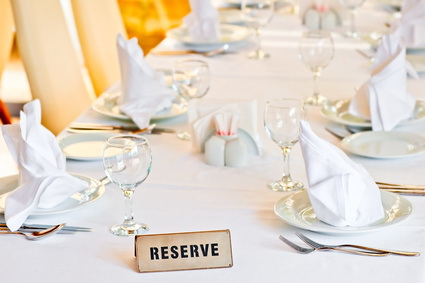
 There were going to be eight of us for dinner at 7:00 on a Saturday evening.
We were traveling in from different parts of the city. That called for some coordination.
The meeting held importance for us and so the particulars of where and when had an elevated consequence.
We could easily have just decided to meet and hope for a table to be available or wait for one. Yes, that was an option. The better option though was to confer with the restaurant and let them know that there would be a party of eight there at 7:00 PM and confirm they would be able to accommodate us.
They could. So as we each arrived we were able to be seated straight away. No waiting. No rushing about by staff figuring out where to put eight people in a crowded restaurant on a busy Saturday evening.
The entire process took less than two minutes. But the time and stress it saved for everyone involved cannot even be fully measured.
Imagine if we took this care routinely with important appointments in our daily agendas. Imagine what would happen if we took that extra two minutes to plan in a way that allowed others (and ourselves) to prepare. That is the lesson in this. There is a partnership between planning and preparing that cannot be ignored. All too often we are guilty of over-planning and under-preparing.
Let’s dig a bit deeper. We place things on our calendar every day. That’s the plan part. But all too often, we don’t ask ourselves who else might need to know about that plan. Because of that, the results of the plan may not be what we need or want them to be. That two minutes can make the difference between whether or not the plan is fully resourced or chock full of risk that we won’t have who or what we need at the time we need them.
It is a two step process within a strategic approach. Creating the plan and then preparing for its success. Here are some basic questions to consider that will make that two minute difference for complete success:
- Who else needs to know about the plan?
- What information or other resources do I need to provide to them in advance?
- What are the possible outcomes and next steps for each possibility?
- Is my schedule, etc. ready to adapt and take on those outcomes?
- Do I have other resources on alert, ready to respond if/when needed?
In the world of business intelligence we might refer to this step as impact analysis. Within the idea of success or life intelligence, it could be referred to in the same way. What is the actual impact for others and their resources and my own? Are we ready for successful outcomes? Or will we be surprised by success and scrambling?
It’s clear that this level of preparation won’t apply to every item on our calendars. However, I would challenge all of us that if the majority of things on our schedule don’t carry some element of this importance level we may need to look at why not. We may need to step back and stop being so busy that we are failing to be productive. Which will bring us right back to this conversation and the fact that balance begins here: planning and preparing together.
Live (plan and prepare) today like you want tomorrow to be. Live (plan and prepare) well!

 You are perfect just the way you are! Now that I am a Nana to some pretty spectacular grand-daughters, this is a sentiment that I express on a regular basis. And I absolutely mean it. Those girls are perfection and I will never believe otherwise. Just ask them! You may get a bit of an eye roll from the teenager but no argument that their Nana is their number one fan! Biased? You bet.

 A core personal practice that has been one of the key contributors to my personal growth is journaling. This subject came up recently at a master mind group and it was a reminder that not everyone may know about how powerful this practice can be.

 What can we think of if only we try?

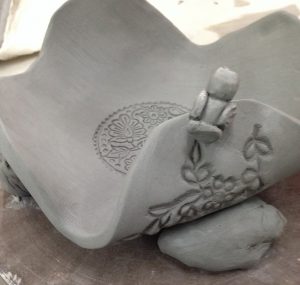 Balance and harmony are important in all areas of our life. When we talk about balance we tend to think in terms of balancing across each segment of our life but in truth, it matters within each of them as well. We need a balanced approach to health as an example and within our financial profile. Our personal network should be diversified and expose us to perspectives with range and depth. But balance only truly happens when we also have each area of our life in harmony with the rest.
 about three months into this latest adventure and I am now without question a lifelong enthusiast. The parallels to life are there every time I sit down at the wheel or work with the clay at the table. And the miracle of what happens with glazes and the heat of the kiln are incredible.